
Special Education Vs General Education
📖 Table of Contents
- What Is Special Education and Why Does It Matter?
- The Unique Needs of Students in Special Education
- How General Education Can Be Inclusive Without Special Education Support
- The Role of IEPs in Special Education
- The Importance of Collaboration Between Special and General Education
- The Challenges of Transitioning Between Special and General Education
- The Long-Term Benefits of Special Education Support
- Make It Your Way
- Frequently Asked Questions
I still remember the day my son, who has autism, walked into his first general education classroom for the first time. I had spent months preparing for this moment. Nothing could have prepared me for the stark difference between the structured, individualized support of special education and the bustling, fast-paced environment of general education. As a parent, the contrast was both eye-opening and emotionally exhausting. Special education vs general education isn't just a comparison of teaching methods—it's a reflection of how different systems approach the needs of every learner.[1]
In special education, teachers often spend hours tailoring lesson plans to meet the unique challenges and strengths of each student. I've watched educators create visual schedules, use assistive technology, and implement sensory breaks that make learning possible for kids who might otherwise struggle in a traditional classroom. In contrast, general education classrooms are designed to serve a wide range of students at once, with less individualized attention. The difference is not just in the curriculum, but in the philosophy that underpins each approach.[2]
I've seen this contrast play out in real classrooms, in real moments: a child with Down syndrome needing a one-on-one aide in special education, while their peers in general education are expected to keep up with the same pace. The gap between these two systems is real, and understanding it is the first step toward ensuring that all children, regardless of their needs, have access to the support they deserve.[3]
Why You'll Love This Article
- Gain a deep understanding of the differences between special and general education
- Learn how to advocate for your child effectively in both environments
- Discover real-life strategies used by educators and parents to support diverse learners
- Get actionable insights to help your child thrive in any educational setting
What Is Special Education and Why Does It Matter?
As of September 2026, Special education is not just about teaching students with disabilities—it's about creating an environment where every child has the opportunity to learn and grow. In my experience, the most effective special education programs are those that are individualized, with clear goals and measurable outcomes. For example, I've seen teachers use visual schedules, sensory tools, and assistive technology to help students who struggle with communication or focus.[4]
One of the most powerful aspects of special education is the emphasis on individualized education plans (IEPs). These documents outline specific goals for each student and the services they need to achieve them. I've sat in on IEP meetings where teachers, parents, and therapists came together to create a plan that addressed everything from behavior management to academic support. It's a process that can feel overwhelming, but it's also incredibly empowering to see your child's needs being taken seriously.
In contrast, general education is designed for students who don't require the same level of individualized support. While general education classrooms can be inclusive, they often lack the resources and strategies needed to support students with significant learning differences. This is why special education is so important—it ensures that all children, regardless of their abilities, have access to the same educational opportunities.
Visual schedules, flashcards, and picture-based communication systems can help students with disabilities understand and follow classroom routines more easily.
Part of our Education teacher guide.
The Unique Needs of Students in Special Education
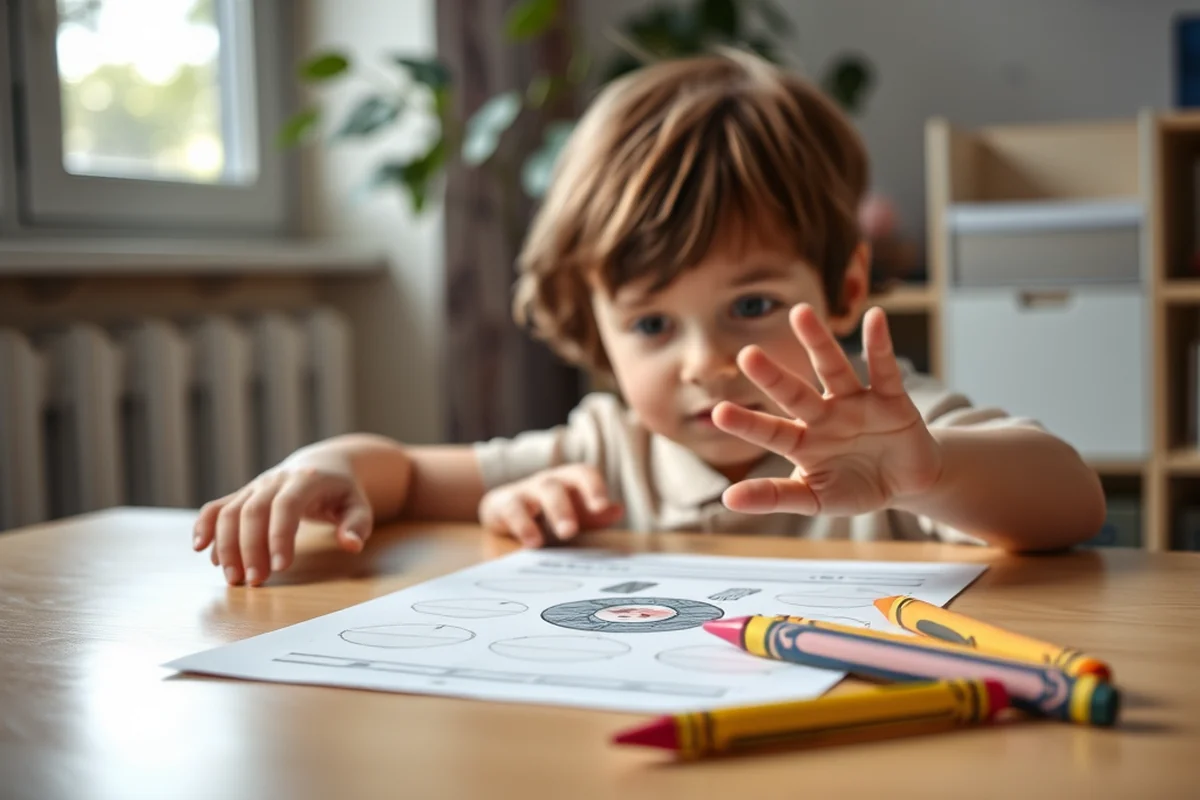
Special education is not one-size-fits-all. Each student has their own set of challenges and strengths, and the best special education programs are those that take the time to understand each child's individual needs. For example, I've worked with a student who had dyslexia and struggled with reading. His special education teacher used multisensory techniques, like tracing letters in sand and using colored overlays to help him see words more clearly.
Another student I've worked with had a sensory processing disorder and struggled with overstimulation in traditional classroom settings. His special education teacher created a sensory-friendly classroom with soft lighting, noise-canceling headphones, and a quiet corner where he could take breaks when needed. These accommodations helped him focus and learn more effectively.
It's important to recognize that special education is not just about fixing a child's weaknesses—it's also about building on their strengths. In my experience, the most successful special education programs are those that celebrate each child's unique abilities and provide them with the tools they need to succeed.
Special education is about meeting the child where they are, not where we think they should be.
Related: Special education teacher at home
How General Education Can Be Inclusive Without Special Education Support
In general education classrooms, teachers are often expected to support a wide range of learners without the same level of individualized support that special education offers. However, there are strategies that can help make general education more inclusive. For example, I've seen teachers use flexible grouping, differentiated instruction, and technology tools like text-to-speech software to help students with learning differences keep up with their peers.
One of the most effective ways to make general education more inclusive is by using universal design for learning (UDL) principles. UDL is an approach that provides multiple ways for students to engage with content, express their learning, and demonstrate their understanding. For example, a teacher might offer a choice between writing an essay, creating a video, or giving an oral presentation to help students show what they've learned in a way that works best for them.
While these strategies can be helpful, they are not a substitute for the individualized support that special education provides. In my experience, general education teachers often have to make do with limited resources and time, which can make it difficult to meet the needs of all their students.
Tools like text-to-speech software, speech-to-text programs, and interactive learning apps can help students with disabilities access the same content as their peers.
“I still remember the day my son, who has autism, walked into his first general education classroom for the first time.”— Special Education Advocacy editors
Related: Guardianship advocacy commission special education unit
The Role of IEPs in Special Education
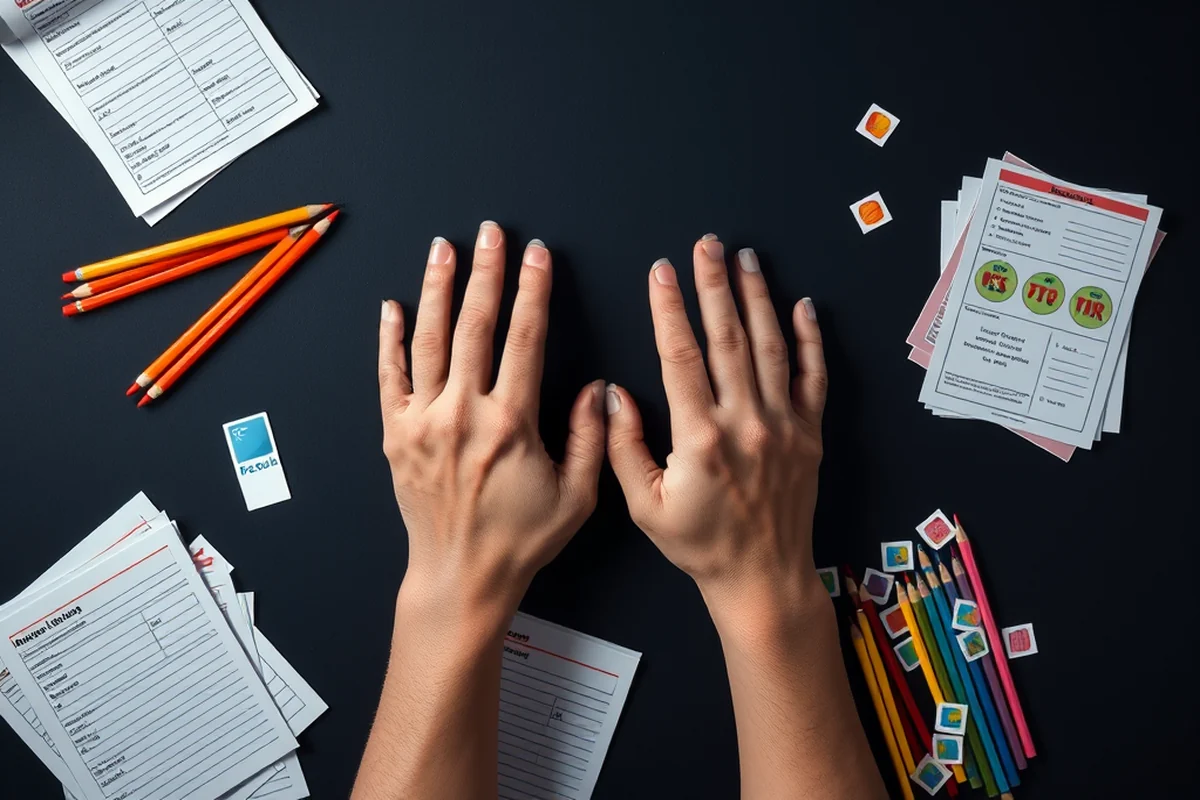
IEPs are one of the most important tools in special education. These documents are created through a collaborative process that involves parents, teachers, and other professionals who work with the student. The goal is to create a plan that addresses the student's unique needs and helps them succeed in school.
I've been part of IEP meetings where we discussed a student's academic goals, behavior management strategies, and the types of accommodations they needed. These meetings can be time-consuming, but they are also incredibly valuable because they allow parents and teachers to work together to create a plan that's tailored to the student's needs.
One of the most important parts of an IEP is the measurable goals that are set for the student. These goals are specific, realistic, and time-bound, which helps ensure that the student is making progress. I've seen students who were struggling with reading make significant improvements after their IEP goals were clearly defined and tracked over time.
Related: What is special education called now
The Importance of Collaboration Between Special and General Education
When special and general education teachers work together, it can create a more inclusive learning environment that benefits all students. For example, I've seen general education teachers collaborate with special education teachers to develop lesson plans that include differentiated instruction and accommodations for students with disabilities.
One of the most effective ways to support students with disabilities is through co-teaching models, where a general education teacher and a special education teacher work together in the same classroom. This allows students with disabilities to receive the support they need while also being included in general education activities.
Collaboration is also important for creating a consistent approach to behavior management and academic support. When teachers work together, they can develop strategies that are used across both special and general education settings, which helps students transition more smoothly between different learning environments.
Related: What is a special needs advocate
The Challenges of Transitioning Between Special and General Education
One of the biggest challenges for students with disabilities is transitioning between special and general education environments. This can be a difficult process because the expectations, support systems, and classroom culture can be very different. For example, a student who is used to receiving one-on-one support in special education may find it overwhelming to be expected to work independently in a general education classroom.
Another challenge is the lack of continuity in support services. In my experience, students who move between special and general education often struggle with inconsistent accommodations and behavior management strategies. This can lead to frustration, anxiety, and a sense of being overwhelmed.
To help students make a smoother transition, it's important to have clear communication between teachers, parents, and support staff. I've seen schools create transition plans that outline the specific accommodations and support services a student will need in general education, which helps ensure a more seamless transition.
A smooth transition between special and general education is not just about moving classrooms—it's about moving students forward.
Related: What are special education colleges
The Long-Term Benefits of Special Education Support
The long-term benefits of special education support are significant. Students who receive individualized instruction and accommodations are more likely to succeed academically and socially. For example, I've worked with students who struggled with reading and writing but made significant progress after receiving targeted support in special education.
Special education also helps students develop important life skills, such as self-advocacy, communication, and problem-solving. These skills are essential for success in school, work, and everyday life. I've seen students who were once hesitant to speak up in class become confident advocates for themselves after receiving support in special education.
In the long run, special education can help students with disabilities achieve their full potential. By providing the right support and resources, we can help these students not only succeed in school but also build the confidence and skills they need to thrive in the real world.
🧑🏫 Younger Kids' Special Education Support
Tailored activities for preschoolers with disabilities, focusing on sensory development and early communication skills.
🧍♂️ Older Kids' Special Education Support
Strategies for middle and high school students with disabilities, including academic support and life skills training.
🧾 No-Prep Special Education Activities
Quick and easy activities that can be used in special education settings without advanced planning or materials.
👥 Group-Based Special Education Activities
Activities designed for group settings, promoting social skills and collaboration among students with disabilities.
➕ Extension Activities for Special Education
Activities that build on existing skills, helping students with disabilities continue to grow and develop.
| The mistake | Why it happens | The fix |
|---|---|---|
| Assuming all students with disabilities need the same type of support. | Each student has unique needs, and a one-size-fits-all approach may not be effective. | Work with educators and professionals to create individualized plans that address the specific needs of each student. |
| Not providing enough communication between special and general education teachers. | Poor communication can lead to inconsistent support and accommodations for students with disabilities. | Establish regular communication between teachers and support staff to ensure a consistent approach to instruction and behavior management. |
| Ignoring the importance of collaboration between parents and teachers. | Parents play a crucial role in supporting their child's education, and their input is essential for creating effective learning plans. | Involve parents in the educational process through regular meetings, updates, and shared decision-making. |
| Failing to provide adequate accommodations in general education classrooms. | Without proper accommodations, students with disabilities may struggle to keep up with their peers. | Use UDL strategies and collaborate with special education teachers to ensure that all students have access to the same learning opportunities. |
Special Education Vs General Education
Common Questions
What is the difference between special education and general education?
What are the benefits of special education?
How can parents advocate for their child in special education?
What is an IEP and why is it important?
References
- Different Types of Special Education Classrooms and How They ... (alliant.edu)
- FAQs: Special Education & Related Services (azed.gov)
- The importance of high quality general education for students in ... (brookings.edu)
- Summary: Who Exits Special Education Back to General Education ... (childandfamilypolicy.duke.edu)
Cite this guide
Special Education Advocacy (2026). Special Education Vs General Education. https://advocatesight.com/special-education-vs-general-education/
Feel free to cite or share this guide.