
What Is Advocacy In Education
📖 Table of Contents
I remember the first time I stood in a school meeting, my hands trembling as I spoke up for my child. It was the most nerve-wracking moment of my life, but it was also the moment I realized what advocacy in education really meant. Advocacy in education is not a passive act — it's the deliberate, often hard-fought effort to ensure that every child, especially those with special needs, receives the support they deserve. It’s a call to action that can change the trajectory of a child’s life, and it’s something every parent, educator, and community member should understand and support.
Advocacy in education is about speaking up when no one else will. It’s about fighting for resources, accommodations, and rights that might otherwise be overlooked. I’ve seen the difference it makes — from a child getting an IEP that matches their needs to a teacher receiving the training they need to support a student with an autism spectrum disorder. These aren’t just abstract concepts; they’re the real, tangible outcomes of effective advocacy. And that’s why understanding what advocacy in education truly means is so important.[1]
When you advocate for a child in education, you’re not just fighting for that child — you’re fighting for the system itself. You’re pushing for change, for equity, for better outcomes. I’ve spent years working with families and educators to see these changes take place, and I’ve learned that advocacy is as much about patience and persistence as it is about passion. If you’re reading this, you might be standing at the beginning of your own journey — and I hope this article helps you find your voice, your strategy, and your purpose in education advocacy.[2]
Why You'll Love This Article
- Gain a clear understanding of what advocacy in education means and how it impacts students, parents, and educators.
- Discover practical strategies for effective advocacy, including communication techniques and resource identification.
- Learn from real-life stories and experiences that highlight the importance and impact of advocacy in education.
- Explore actionable tips and tools that can help you become a more effective advocate, whether for your child, a student, or the broader educational community.
What Is Advocacy In Education?
As of September 2026, Advocacy in education is the practice of ensuring that students receive the support they need to succeed. This might involve working with teachers, school administrators, and government officials to secure appropriate accommodations, services, and resources. It’s not just about speaking up — it’s about knowing what to ask for, how to ask for it, and how to follow through when the answer isn’t immediate.
I’ve sat in countless IEP meetings where parents and advocates have fought to ensure that a child’s unique learning needs are met. Whether it’s securing a speech-language pathologist for a child with a language disorder or pushing for a sensory-friendly classroom environment, advocacy in education is about making sure that no child is left behind.
Advocacy in education is also about long-term change. It’s about building a system that supports all students, not just those who are lucky enough to have an advocate. This means working with educators to develop better training, pushing for policy changes, and supporting families in understanding their rights and responsibilities.
Before entering any meeting or conversation, define exactly what you’re trying to achieve. This clarity will help you stay focused and make your case more effectively.
Who Can Be an Advocate?

Advocacy in education is not limited to parents. Teachers, school counselors, and even students can be advocates for themselves and their peers. I’ve worked with a number of teachers who have become powerful advocates for students with disabilities, pushing for better inclusion practices and access to resources that might otherwise be unavailable.
Students themselves can be advocates, especially as they grow older and become more aware of their needs and rights. I’ve seen middle schoolers step up to speak in meetings about their own IEPs, and it’s incredibly empowering to see them take ownership of their education.
Community members, including nonprofit organizations and advocacy groups, also play a crucial role in education advocacy. They can provide support, training, and resources to parents and educators who are handling the complex world of special education.
Advocacy in education is not just for parents — it’s for anyone who believes in the right of every child to a quality education.
Related: How to become an educational advocate
Related: What are advocacy skills
Related: Education vs advocacy
Related: What advocacy will you promote and why
Why Advocacy In Education Matters
Advocacy in education is essential because not all students receive the same level of support. Without advocacy, many students — particularly those with disabilities — may be left behind in a system that doesn’t always prioritize their needs. I’ve seen the difference that a strong advocate can make in a child’s life, from securing a needed service to ensuring that a student’s individualized education plan is followed with fidelity.
When a child receives the right support, their academic and social outcomes improve dramatically. This isn’t just about grades — it’s about self-esteem, independence, and long-term success. Advocacy in education is about creating a more equitable system where every student can reach their full potential.
Without advocacy, these opportunities may never be available. It’s the responsibility of educators, parents, and community members to ensure that no student is overlooked. Advocacy in education is not just a moral duty — it’s a practical necessity for building a better future.
Familiarize yourself with your child’s legal rights, such as those outlined in the Individuals with Disabilities Education Act (IDEA), and know where to find support, such as local advocacy groups or school districts.
“I remember the first time I stood in a school meeting, my hands trembling as I spoke up for my child.”— Special Education Advocacy editors
Related: Education advocacy groups near me
How to Be an Effective Advocate
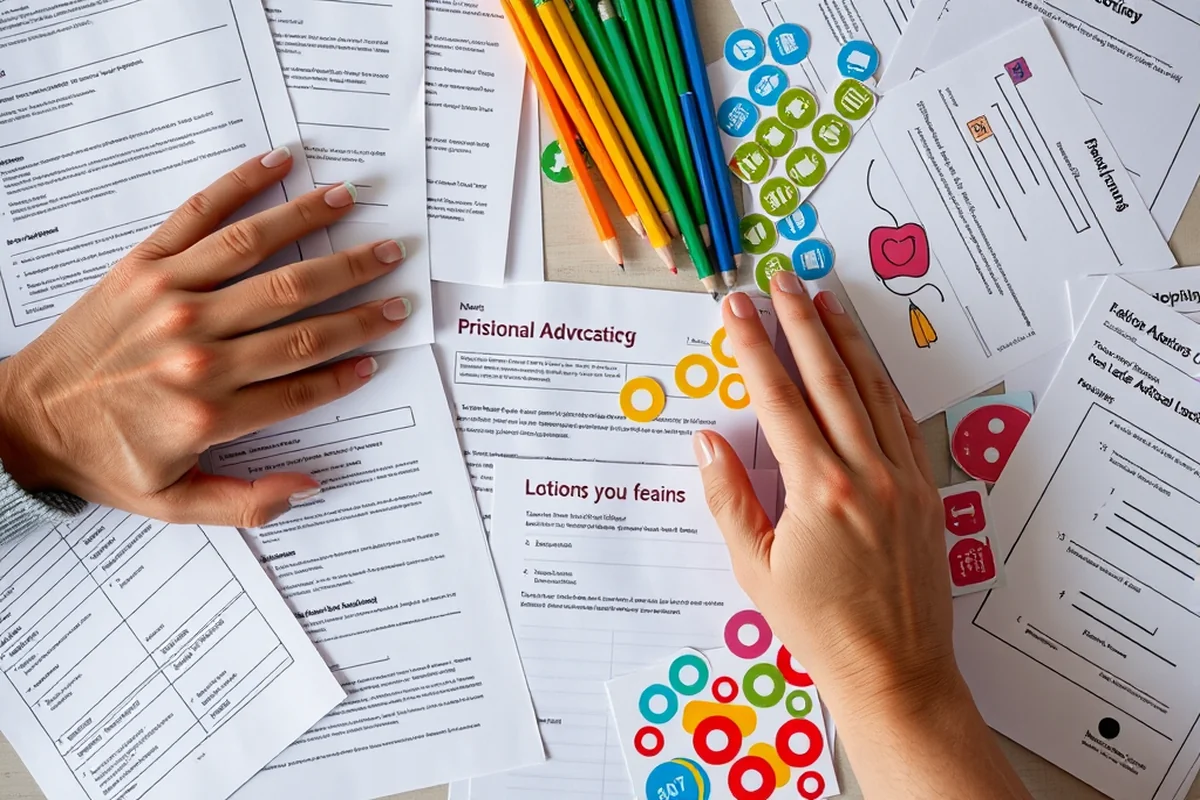
Advocacy in education is not just about showing up — it’s about showing up with a plan, a clear set of goals, and the necessary information to support your case. I’ve learned that the most effective advocates are those who do their homework, research their child’s needs, and understand the laws that protect their rights.[3]
Communication is key. Whether you’re talking to a teacher, a school administrator, or a government official, it’s important to be clear, respectful, and persistent. Advocacy in education often requires repeated conversations, follow-ups, and the ability to remain calm even when things get difficult.
Persistence is another crucial component of being an effective advocate. Change doesn’t happen overnight, and it’s not always easy. But with patience, a well-organized approach, and a commitment to your goals, you can make a real difference in the life of a student and the system they’re a part of.
The Role of Educators in Advocacy
Educators are not just teachers — they are advocates for their students. I’ve seen teachers go above and beyond to ensure that students with disabilities have access to the support they need, from providing additional tutoring to working with parents to develop individualized education plans.
Advocacy in education also means that educators are committed to learning about the needs of all students, including those with disabilities, and are willing to adapt their teaching methods to meet those needs. This might involve attending training workshops, collaborating with special education staff, or even seeking outside support when necessary.
When educators are advocates, they create a more inclusive and supportive learning environment. This not only benefits students with disabilities but also helps to build a culture of equity and respect within the school community.
The Impact of Advocacy in Education
The impact of advocacy in education can be seen in the long-term success of students who receive the support they need. I’ve worked with numerous families who have seen their children make dramatic academic and social improvements after effective advocacy efforts. These results are not just about grades — they’re about confidence, independence, and a sense of belonging.
Advocacy in education also helps to build stronger school communities. When educators, parents, and students work together to support one another, the entire school benefits. This collaborative approach fosters a culture of inclusion, respect, and mutual support.
In the long run, advocacy in education helps to create a more equitable system where all students — regardless of their background or abilities — have the opportunity to succeed. This is not just a goal — it’s a responsibility we all share.
Advocacy in education isn’t just about one student — it’s about building a better future for all.
What Advocacy Looks Like in Practice
Advocacy in education is not always about big, dramatic actions — it can also be about small, consistent efforts. I’ve seen parents and educators advocate for students by attending IEP meetings, writing letters to school administrators, and even sharing their stories in public forums.
Advocacy in education can also involve working with local and state legislators to push for better funding, more training for educators, and more inclusive policies. These efforts help to create long-term change that benefits all students.
At the individual level, advocacy in education might look like helping a student with disabilities understand their rights, or supporting a teacher in developing new strategies for inclusive teaching. These actions, while small, can have a big impact on a student’s life and the system as a whole.
👶 Younger Kids Advocacy
Tailored for parents of young children, this variation focuses on early intervention and communication with early childhood educators.
🎓 Older Kids Advocacy
Designed for middle and high school students, this variation emphasizes self-advocacy and independent decision-making.
⏱️ No-Prep Advocacy
Ideal for busy parents and educators, this version offers quick, actionable tips and resources without the need for extensive preparation.
👥 Group Advocacy
This variation encourages collaboration among parents, educators, and community members to create systemic change and support.
📚 Extension Advocacy
Focused on long-term strategies, this variation helps advocates plan for sustained support and policy change in education.
| The mistake | Why it happens | The fix |
|---|---|---|
| Not understanding your child’s rights | Not knowing your child’s legal rights can make it difficult to advocate effectively for their needs. | Take the time to learn about laws like IDEA and Section 504, and seek guidance from local advocacy groups or legal resources. |
| Failing to communicate clearly | Unclear communication can lead to misunderstandings and prevent you from getting the support your child needs. | Be specific, use clear language, and ask for clarification when needed. Stay focused on your child’s needs and goals. |
| Not following up after meetings | Failing to follow up can result in your child’s needs being overlooked or forgotten. | After any meeting or conversation, send a follow-up email or letter to summarize the discussion and outline next steps. |
| Giving up too quickly | Advocacy can be a long and difficult process, and giving up too early can prevent you from achieving your goals. | Stay persistent, stay organized, and be prepared to make multiple attempts if necessary. |
What Is Advocacy In Education
Common Questions
What are some common mistakes people make when advocating for students in education?
How can I effectively communicate with educators and school administrators?
What resources are available to help parents become better advocates?
What should I do if my child is not receiving the support they need?
References
- The Advocate - Department of Public Advocacy (dpa.ky.gov)
- Resources | KS Office of the Child Advocate (childadvocate.ks.gov)
- Family Engagement Toolkit - California Department of Education (cde.ca.gov)
Cite this guide
Special Education Advocacy (2026). What Is Advocacy In Education. https://advocatesight.com/what-is-advocacy-in-education/
Feel free to cite or share this guide.