
What Is Special Education
📖 Table of Contents
- The Legal Foundations of Special Education
- What Special Education Services Are Available
- What Happens in a Special Education Classroom
- How Parents Can Advocate for Their Child
- The Importance of Early Intervention
- The Role of Collaboration in Special Education
- The Impact of Special Education on Long-Term Outcomes
- Make It Your Way
- Frequently Asked Questions
I still remember the day my daughter’s teacher handed me a letter explaining that she would be receiving special education services at school. It was overwhelming, confusing, and filled with more questions than answers. What is special education, exactly? How does it work? And most importantly, how can it help my child? I spent weeks researching, calling school districts, and even attending meetings with educators. What I learned changed my perspective on what special education truly is — and how it can transform a child’s life when done right.
Special education is not just a label or a program that schools use when a child is 'different.' It’s a legal right, a tailored approach to learning. A lifeline for children who require more than the standard classroom experience. I’ve seen firsthand how a well-structured special education plan can help a child with autism, ADHD, dyslexia, or any number of learning differences to thrive — not just survive — in school. It’s about recognizing that not all students learn the same way and adapting the learning environment to meet their unique needs.
At its core, special education is about equity, inclusion, and ensuring that every child, regardless of their abilities or challenges, has the opportunity to reach their full potential. It’s not just about making accommodations; it’s about creating a learning environment where students feel supported, empowered, and capable of success. Through my own journey, I’ve come to understand that special education is both a science and an art — it requires both data and heart. It changes lives when done with intention and care.
Why You'll Love This Article
- You'll gain a clear understanding of what special education is and how it works.
- You'll learn about the legal rights of students with disabilities and their families.
- You'll discover practical strategies for working with schools to support your child.
- You'll feel empowered and informed, ready to advocate for your child's education.
The Legal Foundations of Special Education
As of September 2026, the Individuals with Disabilities Education Act (IDEA) is the cornerstone of special education law in the United States. It guarantees that all children with disabilities have the right to a free and appropriate public education (FAPE) tailored to their individual needs. I remember the first time I sat down with a special education advocate who explained how IDEA applies to my daughter’s case — it was eye-opening to see how the law directly impacts the services my child could receive in school.
Under IDEA, schools are required to conduct evaluations to determine if a child is eligible for special education services. This process involves assessments by teachers, psychologists, and other specialists. I watched this process unfold for my daughter and was struck by how thorough and detailed it was. It wasn’t just about checking boxes — it was about understanding her unique learning profile and ensuring the right supports were in place.
The Americans with Disabilities Act (ADA) also plays a critical role by ensuring that students with disabilities have access to the same educational opportunities as their peers. It’s a powerful tool for parents who feel that their child’s rights are not being fully respected. I’ve seen parents use ADA provisions to push for more accommodations in school, and it makes a real difference in the day-to-day experience of a child with a disability.
Understand the key laws like IDEA and ADA — they’re your child’s legal rights in action.
Part of our Can special guide.
What Special Education Services Are Available
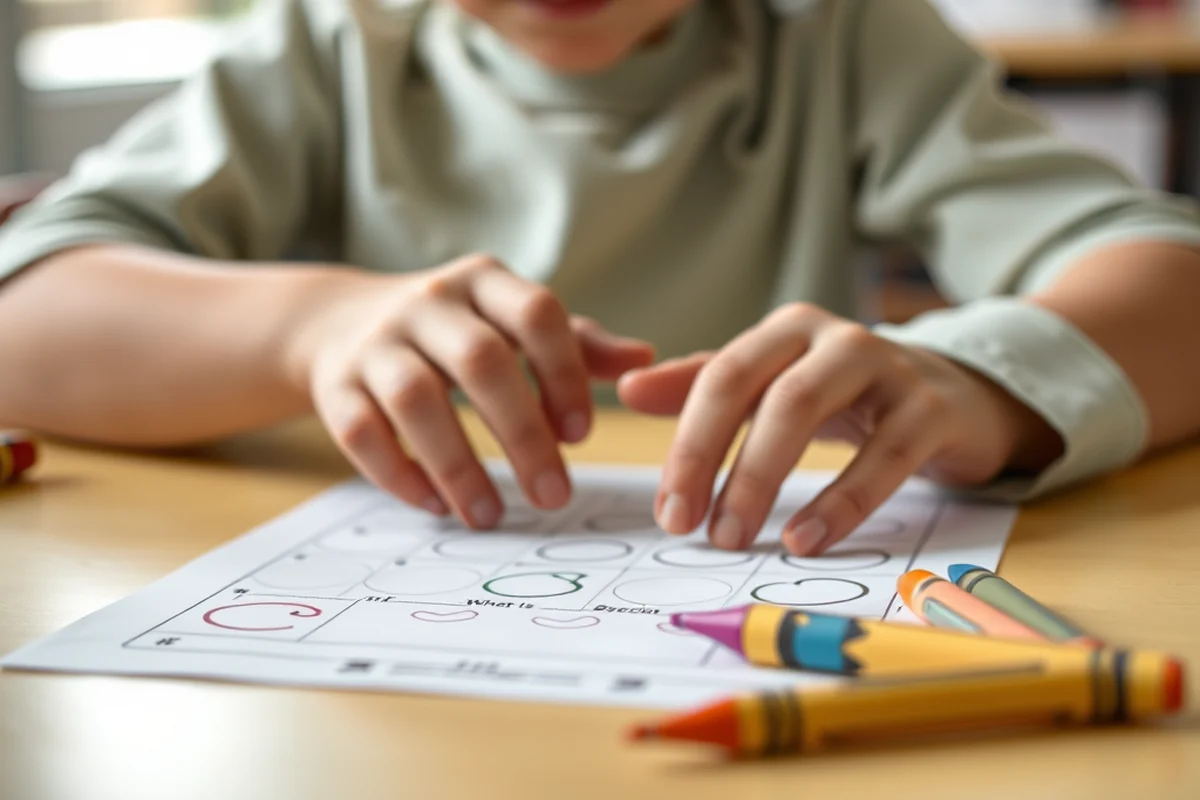
Every child who qualifies for special education services receives an Individualized Education Program (IEP), which is a legally binding document outlining the child’s educational goals, services, and accommodations. My daughter’s IEP was created in a meeting with her teachers, therapists, and me — it was a collaborative process that made me feel like a real partner in her education.
In addition to IEPs, students may also qualify for 504 plans, which are less intensive but still provide accommodations to help students with disabilities succeed in school. These plans are based on the ADA and are often used for students with conditions like ADHD or dyslexia. I’ve met parents who found 504 plans to be a life-changing resource for their children — they provide support without the full IEP process.[1]
Beyond IEPs and 504 plans, schools also provide a range of specialized services, including speech therapy, occupational therapy, and behavioral support. These services are critical for students who need extra help in areas like communication, motor skills, or social development.[2]
An IEP is not just a plan — it’s a promise to your child that they will be supported in school.
Related: How many special education categories are there
Related: Special education summer jobs
Related: Special education academy cost
Related: What is special education advocacy
What Happens in a Special Education Classroom
I visited my daughter’s special education classroom once, and I was immediately struck by the differences from a traditional classroom. It was smaller, with fewer distractions, and the teachers were always moving around, providing individualized attention. The room had sensory tools like fidget toys and soft lighting, which helped students stay focused and calm.
In these classrooms, teachers use a variety of teaching methods, including visual aids, hands-on activities, and technology, to help students learn in different ways. I’ve seen teachers use apps and interactive whiteboards to make lessons more engaging for students who struggle with traditional instruction methods.
The environment in a special education classroom is intentionally designed to be welcoming and supportive. It’s a place where students can feel safe, learn at their own pace, and receive the help they need to succeed.
Visit your child’s special education classroom if possible — it can provide valuable insight into how they’re being supported.
“I still remember the day my daughter’s teacher handed me a letter explaining that she would be receiving special education services at school.”— Special Education Advocacy editors
Related: Special parent advocacy group
How Parents Can Advocate for Their Child

As a parent, I quickly learned that being an active participant in my daughter’s education was essential. I attended IEP meetings, stayed in regular contact with her teachers, and made sure I understood the goals and services outlined in her plan. It was a lot of work, but it made a real difference in her progress.
Parents should ask questions, take notes during meetings, and don’t hesitate to request additional services if needed. I’ve met parents who successfully pushed for more therapy hours or specialized instruction because they were willing to be persistent and informed.
Staying informed about your child’s rights and the services available is also crucial. There are many online resources, support groups, and advocates who can help parents handle the special education process with confidence.
The Importance of Early Intervention
I wish I had known how important early intervention was when my daughter was first diagnosed. Early intervention services, such as speech therapy or occupational therapy, can help children develop skills before they even start school. These services are often available through local school districts or community programs.
Studies show that children who receive early intervention are more likely to succeed in school and have better long-term outcomes. I’ve seen this firsthand with other parents who started their child’s intervention services before kindergarten — the difference in their child’s confidence and abilities was remarkable.[3]
It’s never too early to seek out support for your child. The earlier you start, the more time your child has to develop the skills they need to thrive in school and life.
The Role of Collaboration in Special Education
I’ve learned that special education is not a solo effort — it takes a team. Parents, teachers, therapists, and other professionals all work together to create a plan that supports the child’s needs. I’ve been in meetings where teachers and therapists shared updates on my daughter’s progress, and it made me feel like part of a team.
Effective communication is key to this collaboration. I’ve found that keeping a notebook or digital tracker of my daughter’s progress helps me stay informed and share updates with her teachers. It also makes it easier to identify patterns and make adjustments as needed.
When everyone is on the same page, students with disabilities are more likely to succeed. It’s about working together to create the best possible learning environment for the child.
It takes a village — but in special education, it takes a team of experts and parents who care.
The Impact of Special Education on Long-Term Outcomes
I’ve met adults who were once students with disabilities who now have successful careers, families, and lives of their own. Special education helped them develop the skills they needed to be independent. It’s a powerful reminder of how important early support can be.
Research shows that students with disabilities who receive quality special education services are more likely to graduate from high school, attend college, and find meaningful employment. These outcomes are not guaranteed, but they are significantly improved with the right support. (13 percent, jlarc.virginia.gov)[4]
I’ve seen the long-term effects of special education in my daughter’s life — she’s confident, capable, and thriving. It’s a journey that has been worth every challenge, and I’m grateful for the support she received along the way.
🧑🍼 Younger Kids Special Education
Special education for younger children focuses on early learning, play-based instruction, and sensory development.
🧑🎓 Older Kids Special Education
Special education for older students includes more structured learning, vocational training, and life skills development.
📚 No-Prep Special Education
No-prep activities provide immediate support for children with special needs without requiring extensive planning or resources.
👥 Group Special Education
Group-based special education allows children to learn from peers and develop social skills while receiving targeted instruction.
🔍 Extension Special Education
Extension activities in special education provide additional learning opportunities and support for students who need extra help.
| The mistake | Why it happens | The fix |
|---|---|---|
| Not asking for an evaluation | If you don’t request an evaluation, your child may not receive the support they need to succeed in school. | Contact your local school district immediately to request an evaluation for your child. |
| Not attending IEP meetings | Missing IEP meetings can lead to misunderstandings about your child’s services and goals. | Make every effort to attend IEP meetings and bring a friend or advocate if needed. |
| Not following up on recommendations | If you don’t follow up on the recommendations in your child’s IEP, they may not receive the support they need. | Keep track of your child’s progress and communicate regularly with their teachers and therapists. |
| Not staying informed about your child’s rights | Not knowing your child’s legal rights can leave you vulnerable to ineffective or inadequate services. | Educate yourself about special education laws like IDEA and ADA, and consider working with an advocate if needed. |
What Is Special Education
Common Questions
What is the difference between an IEP and a 504 plan?
How can I find out if my child is eligible for special education services?
What are some common special education services?
Can I request a change to my child’s IEP?
References
- Disproportionality in Special Education - American University (american.edu)
- GAO-25-107053, SPECIAL EDUCATION (files.gao.gov)
- Strengthening Head Start: What the Evidence Shows - ASPE.hhs.gov (aspe.hhs.gov)
- K-12 Special Education in Virginia - JLARC (jlarc.virginia.gov)
Cite this guide
Special Education Advocacy (2026). What Is Special Education. https://advocatesight.com/what-is-special-education/
Feel free to cite or share this guide.